
- This event has passed.
Ancient Rome’s Last God with E. Michael Whittington

TOPIC: Ancient Rome’s Last God
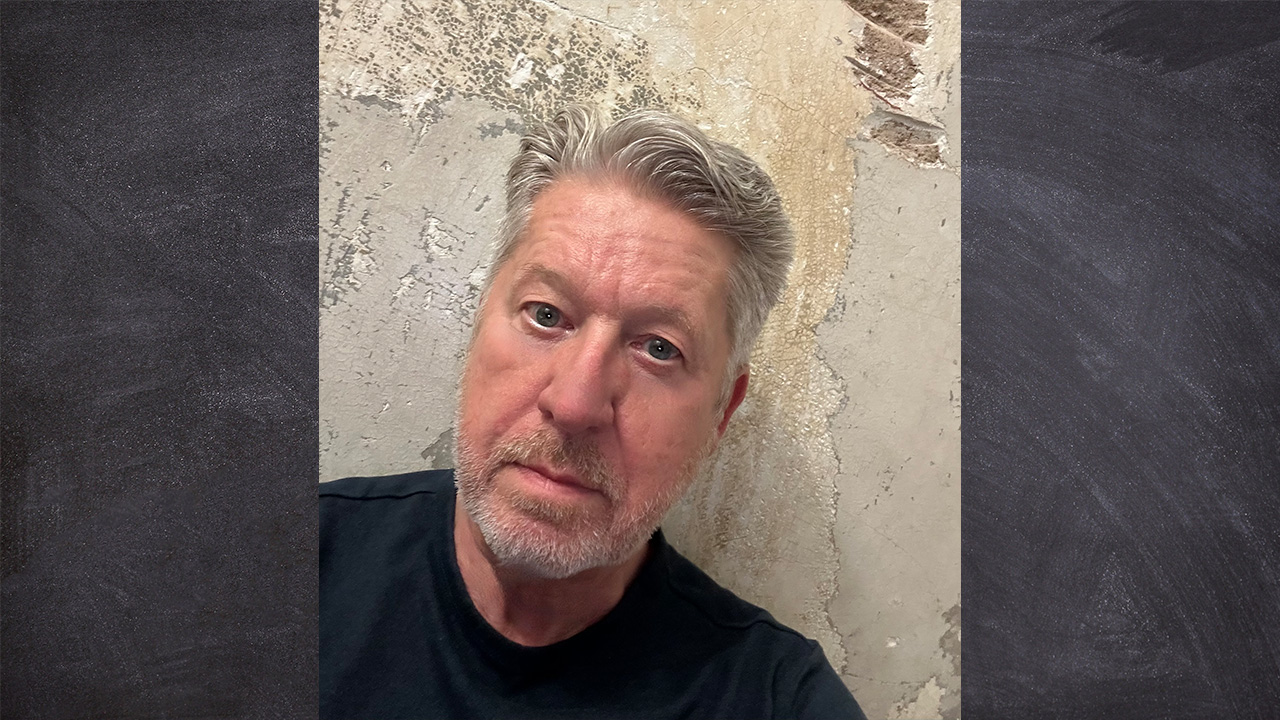
SPEAKER: E. Michael Whittington, Retired Art Museum Director
The Roman Empire with its larger-than-life emperors, mighty legions, extravagant gladiatorial games, and extraordinary art and architecture fires our imagination and influences popular culture.
The ancient Roman supernatural was populated by a dizzying panoply of gods, goddesses, deified rulers, heroes, and fantastical beasts. Unique in this pantheon was a young man whose lifeless body was recovered from the Nile in the autumn of 130 CE. Immediately proclaimed a god, temples were built to worship him, a city was founded in his name, dozens of surviving sculptures forever captured his youth, coins were struck with his likeness, and Olympic games were celebrated in his honor.
Who was this young man named Antinous who rose so quickly from obscurity to prominence in the imperial court? What were the mysterious circumstances surrounding his death and why did he become the Roman Empire’s last god?
BIOGRAPHY
E. Michael Whittington is an art historian specializing in ancient art. Michael was Curator of the Arts of Ancient America at the Mint Museum of Art and an Adjunct Instructor of Art History at UNC-Charlotte. As a Director/CEO, he led art museums in California, Oklahoma and Washington state. Michael organized significant national and international exhibitions and participated in scholarly and professional symposia in the United States, Europe, Latin America, and Asia.
Whittington has a BA in Anthropology from West Georgia University and an MA in Art History from the University of Florida.
Michael retired to Greenville, South Carolina in 2024. He teaches art history at the Osher Lifelong Learning Institute at Furman University in Greenville.
Recommended Readings:
- Beard, Mary: Emperor of Rome: Ruling the Ancient Roman World. Liveright Publishing Corporation, New York. 2023
- Birley, Anthony R. Hadrian: The Restless Emperor. Rutledge, London and New York. 1997
- Boatwright, Mary Taliaferro: Hadrian and the City of Rome. Princeton University Press, Princeton. 1987
- Everitt, Anthony: Hadrian and the Triumph of Rome. Random House, New York. 2009
- Holland, Tom Pax: War and Peace in Rome’s Golden Age. Abacus Books, London. 2023
- Lambert, Royston: Beloved and God: The Story of Hadrian and Antinous. Phoenix, London. 1984
- Opper, Thorsten: Hadrian: Empire and Conflict. Harvard University Press. Cambridge. 2008
- Zaccaria, Mari and Sergio Sgalambro: “The Antinoeion of Hadrian’s Villa: Interpretation and Architectural Reconstruction.” American Journal of Archaeology. Volume 111 No. 1, January, 2007
- Ancient Sources: Aurelius Victor de Caesaribus. Translated with an introduction and commentary by H.W. Bird. Liverpool University Press, Liverpool. 1994.
- Dio’s Roman History. William Heinemann, London. 1914
- Lives of the Later Caesars. The first part of the Augustan History with newly compiled Lives of Nerva and Trajan. Translated and Introduced by Anthony Birley. Penguin Books, London. 1976