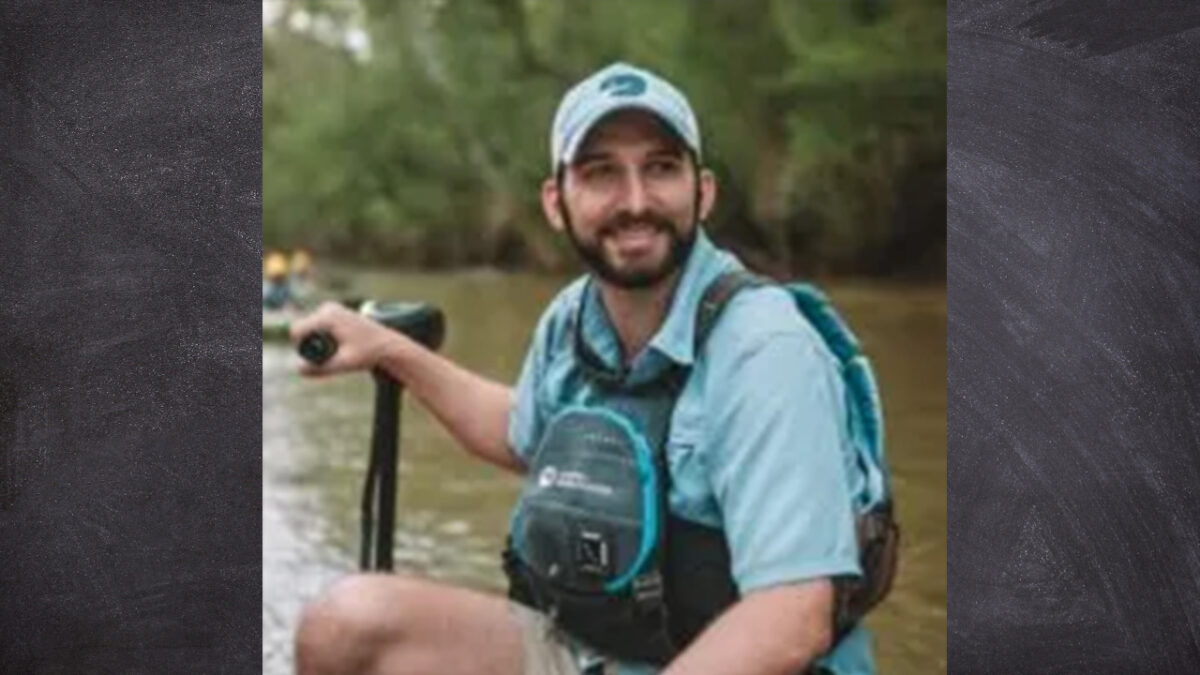

The Future of Germany in Europe and the Atlantic World with Scott Denham


TOPIC: The Future of Germany in Europe and the Atlantic World
SPEAKER: Scott Denham, Professor, Professor of German Studies, Davidson College
How might we look into the future and imagine what role Germany will play in Europe (in its various organizations: the EU, NATO, OECD, ECB, etc.) and what was formerly known as the transatlantic alliance? Can the history of a nation or state draw a trajectory into the future in its alliances, its cultural relations, its citizens’ and residents’ connections and interrelationships with people in other places?
Might ideas about lessons learned from history, or claims about geographic determinism, or Enlightenment ideals of governance, or claims about universal human rights, help us imagine how in the future Germany will be and act in the world economically, culturally, strategically? Or can we predict future measures for Germans of things like freedom, health, or happiness?
Scott will look at how Germany (Germanies, actually, over time) as a cultural and national construct has tried to create collective stories and histories in order to guide the current Federal Republic of Germany and its inhabitants toward freedom, prosperity, and security. And I will describe how those stories and ideals — and thus the reality of being German in Europe and in the world today — are being undermined by the global polycrisis.
BIOGRAPHY
Scott studied at the University of Chicago, the Philipps-Universität Marburg, the Freie Universität Berlin, and Harvard University, working there primarily in German studies, but also in comparative literature and and in history. My teaching and research interests include German literary and cultural studies broadly, modernism and narrative theory, the Holocaust and its representation, literary translation, second-language and writing pedagogy. Some authors I am committed to teaching include Franz Kafka, Thomas Mann, Günter Grass, Paul Celan, Ingeborg Bachmann, Hannah Arendt, Walter Benjamin, Katja Petrowskaja, and Saša Stanišić. My work engages with questions of identity, loss, and memory in the central European context.